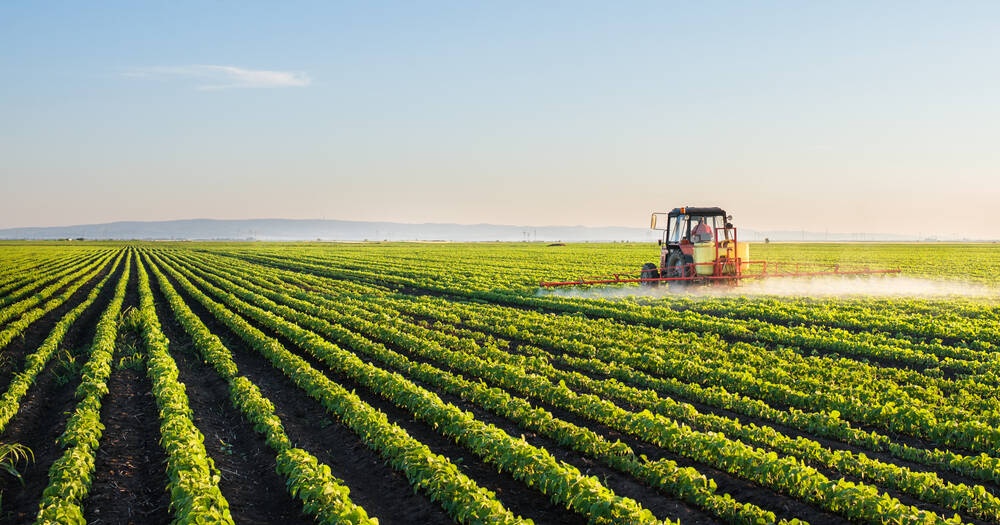
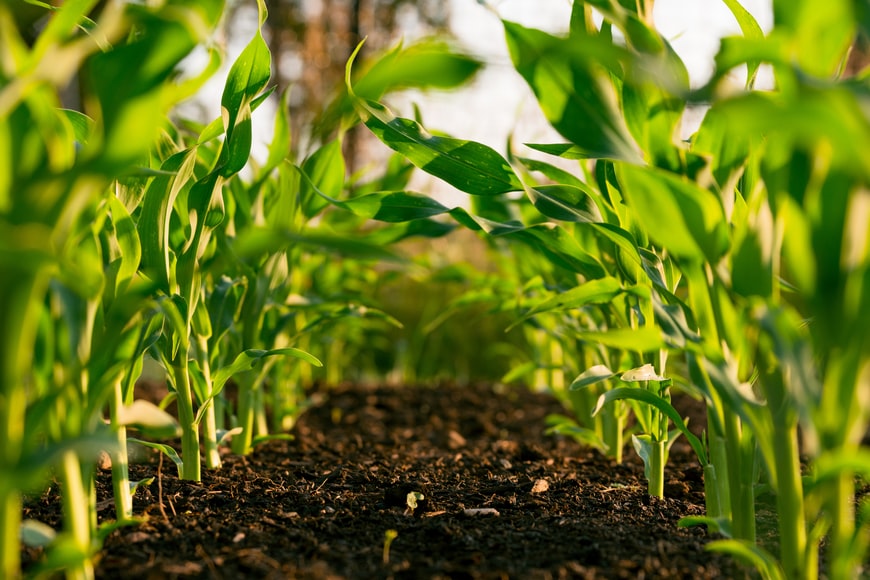
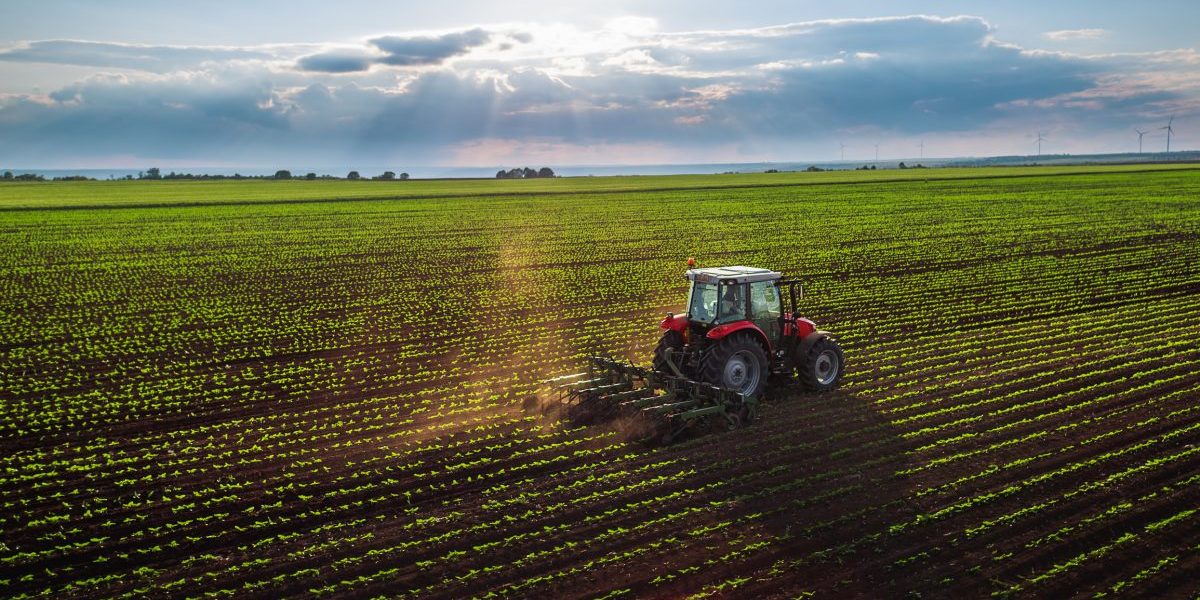
Agriculture has always been at the heart of human civilization, but rapid technological advancements are set to redefine farming in ways never seen before. From artificial intelligence (AI) to robotics and biotechnology, the next decade promises a revolution in food production, making it more efficient, sustainable, and climate-resilient.
1. AI-Powered Precision Farming
Artificial intelligence is playing a crucial role in modern agriculture by optimizing farming operations. AI-driven analytics help farmers make data-driven decisions, reducing waste and maximizing yield.
- AI-driven crop monitoring: Advanced computer vision systems analyze plant health, detect diseases, and suggest treatments in real time.
- Predictive analytics: AI-powered software can forecast weather patterns, pest outbreaks, and optimal planting schedules.
- Automated farm management: AI-enabled farm management platforms can control irrigation, fertilization, and harvesting with minimal human intervention.
2. Robotics and Automation
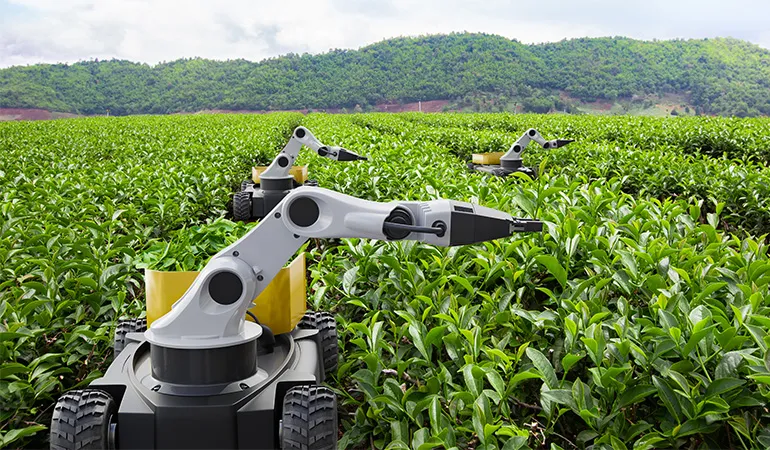
Labor shortages and increasing food demand are driving the adoption of robotics in farming. Automated machines are taking over tasks that were once manual, increasing efficiency.
- Autonomous tractors and harvesters: Companies like John Deere and Tesla are developing self-driving farm machinery that can plant, water, and harvest crops with precision.
- Robotic weed control: AI-powered robots can distinguish between crops and weeds, reducing the need for herbicides.
- Automated livestock management: Robots can monitor livestock health, milk cows, and feed animals with minimal human supervision.
3. The Role of Drones in Agriculture
Drones are becoming essential tools for modern farmers, helping with aerial monitoring, pest control, and precision spraying.
- Aerial imaging and crop health assessment: Drones equipped with infrared cameras can detect nutrient deficiencies and disease outbreaks.
- Automated spraying systems: Drones can apply fertilizers and pesticides in a targeted manner, reducing chemical use.
- Livestock monitoring: Drones can track the location and health of free-range animals in large farms.
4. Smart Irrigation and Water Management
Water scarcity is one of the biggest challenges in agriculture, but technology is offering solutions.
- IoT-enabled irrigation systems: Smart sensors measure soil moisture and automatically adjust watering schedules.
- AI-based water conservation: Machine learning algorithms predict water needs based on weather conditions, saving resources.
- Desalination and hydroponics: Innovations in desalination technology and soilless farming are providing alternative water sources for agriculture.
5. Biotechnology and Gene Editing
The rise of biotechnology is revolutionizing the way we grow crops and raise livestock. Scientists are developing genetically modified organisms (GMOs) and gene-edited crops that are more resilient and nutritious.
- CRISPR gene editing: This technology is being used to create drought-resistant and pest-resistant crops.
- Lab-grown meat: Companies like Beyond Meat and Memphis Meats are developing sustainable alternatives to traditional livestock farming.
- Bioengineered fertilizers: Microbial fertilizers are replacing chemical-based alternatives, improving soil health.
6. Vertical Farming and Urban Agriculture
As urban populations grow, traditional farming faces space constraints. Vertical farming is emerging as a solution by using stacked layers to grow food indoors.
- Hydroponics and aeroponics: These soilless farming techniques use 90% less water than traditional farming.
- AI-controlled indoor farms: Smart greenhouses use AI to regulate temperature, humidity, and light.
- Reducing food miles: Growing food closer to urban centers reduces transportation costs and emissions.
7. Blockchain for Transparency in Agriculture
Blockchain technology is transforming agricultural supply chains by ensuring transparency and traceability.
- Farm-to-table tracking: Consumers can trace the origin of food products to verify quality and safety.
- Smart contracts for fair trade: Farmers receive real-time payments without intermediaries.
- Preventing food fraud: Blockchain helps eliminate counterfeit or mislabeled food products.
Conclusion
The future of farming will be shaped by technology, making agriculture more efficient, resilient, and sustainable. While challenges such as climate change and food security remain, innovations in AI, robotics, biotechnology, and smart farming will help the world meet the rising demand for food. As these technologies become more accessible, they will transform agriculture into a highly automated and data-driven industry, ensuring a better future for farmers and consumers alike.



Comments
No comments yet. Be the first to comment!